- 9307 Laguna Springs Dr, Ste 100 Elk Grove, CA 95758
- 1-877-761-6727
- lisa@scalpmasters.com
Menu
Locations
9307 Laguna Springs Dr, Ste 100 Elk Grove, CA 95758
1480 Saratoga Ave Suite B Saratoga, CA 95070
LATEST POST
Want A Free Consultation?
Complete the Form Below
We'll Contact You To Schedule
A No-Obligation Consultation
Scalp Micropigmentation for Scars
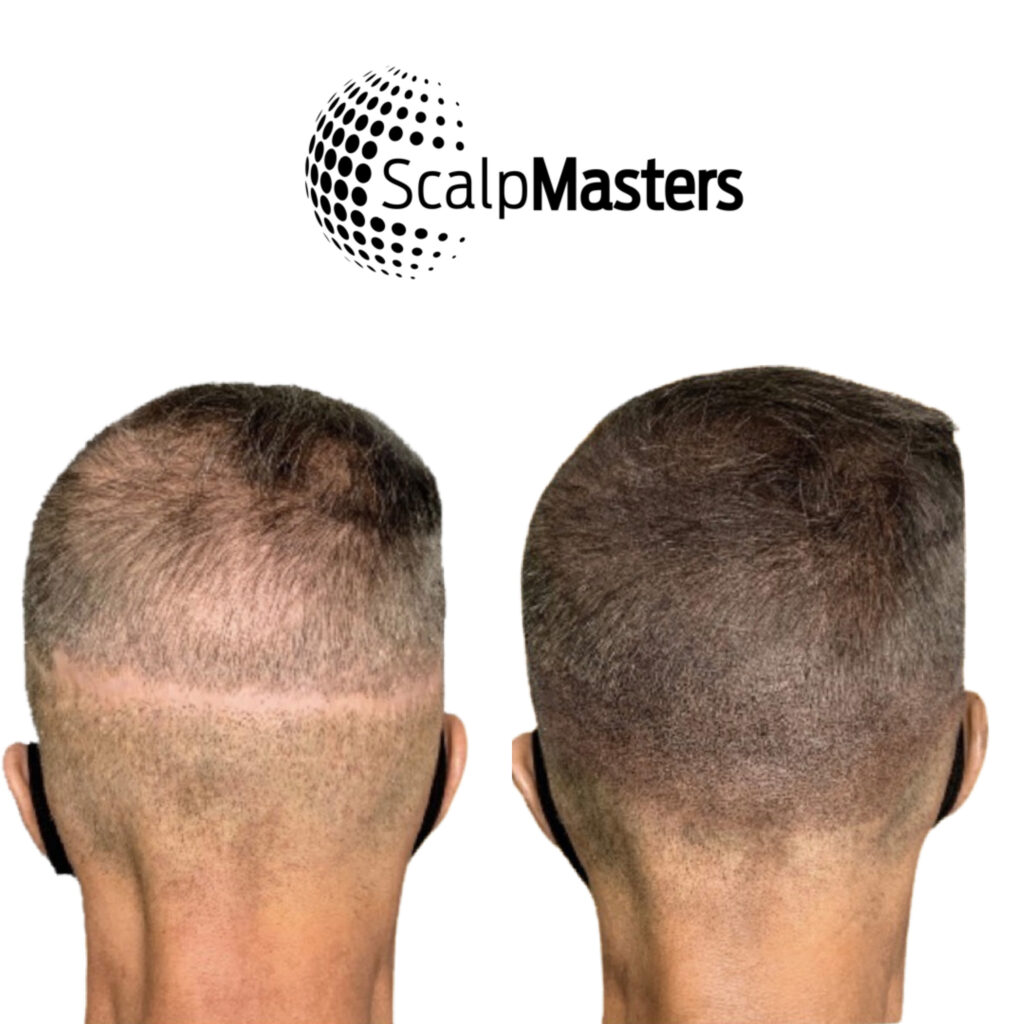
Scalp Micropigmentation (SMP) for scars is a game-changer for anyone looking to cover up scalp scars. Whether you have scars from hair transplants, injuries, or other causes, SMP can help you regain your confidence. This procedure involves using tiny pigments to mimic the look of hair follicles, effectively blending scars with your natural hair.
Types of Scars Treated with SMP
FUT (Follicular Unit Transplant) Scars
FUT scars, also known as strip scars, can be quite noticeable on the back of the head. SMP FUT scar treatment can help camouflage these linear scars, making them less visible and blending them with the surrounding hair.
FUE (Follicular Unit Extraction) Scars
SMP for FUE scars addresses the small circular scars left behind by FUE hair transplants. Micropigmentation on scars can make these tiny marks virtually disappear, giving your scalp a more uniform look.
Other Scalp Scars
Whether you have scars from an injury, surgery, or other conditions, SMP scar repair can help. This versatile technique works well on various types of scalp scars, providing an effective head scar cover up.
The SMP Procedure for Scar Concealment
Initial Consultation and Assessment
Your journey begins with a consultation, where the technician assesses your scalp scars and discusses your goals. This step is crucial for creating a tailored SMP scar repair plan that meets your needs.
Treatment Process
The SMP treatment involves several sessions, usually two to four, where pigments are carefully applied to the scalp. This process, often referred to as scar micropigmentation or scalp micropigmentation scar treatment, gradually builds up the density to achieve a natural look.
- Number of Sessions Required: Typically, two to four sessions are needed for optimal results.
- Duration and Frequency of Sessions: Each session lasts a few hours and is spaced a few weeks apart.
Post-Treatment Care
After your SMP sessions, some basic care is needed to ensure proper healing and the best results. The SMP recovery period is short, with most people resuming their normal activities within a few days.
Benefits of SMP for Scar Concealment
Natural-Looking Results
SMP creates a natural, fuller appearance by replicating hair follicles. This technique is perfect for creating a seamless scalp and covering scars on the back of the head or anywhere else on the scalp.
Non-Invasive and Safe
Unlike surgical options, SMP is a non-invasive procedure that involves no cutting or stitching. It’s a safe and effective way to achieve a scalp scar removal without the risks associated with surgery.
Boost in Confidence and Self-Esteem
Concealing scalp scars can significantly boost your confidence. Whether you’re dealing with scars on your head from surgery or injuries, SMP can help you feel more comfortable and self-assured.
Is SMP Right for You?
Ideal Candidates for SMP
SMP is suitable for anyone looking to conceal scalp scars. Whether you have an FUT scar, FUE scars, or other types of scalp scars, SMP can help. It’s also an excellent option for those seeking an affordable and non-invasive solution for hair transplant scar cover up.
Factors to Consider Before Treatment
Before undergoing SMP, consider factors like the extent of your scarring, your hair color, and your overall goals. A thorough consultation with an SMP specialist will help determine the best approach for your needs.
Conclusion
Scalp Micropigmentation for scars is an effective and transformative solution for anyone dealing with scalp scars. By providing natural-looking, long-lasting results, SMP helps individuals regain their confidence and improve their appearance. If you’re considering this treatment, ScalpMasters is a top choice for expert care and exceptional results. Book a consultation today to start your journey towards a scar-free, confident you.
Want A Free Consultation?
Complete the Form Below
We'll Contact You To Schedule
A No-Obligation Consultation
Select A Location Nearest You
ScalpMasters Elk Grove
9307 Laguna Springs Dr, Ste 100 Elk Grove, CA 95758